

Frenectomy (Labial Tie) in Brooklyn, NY
Understanding Frenectomy (Labial Tie)
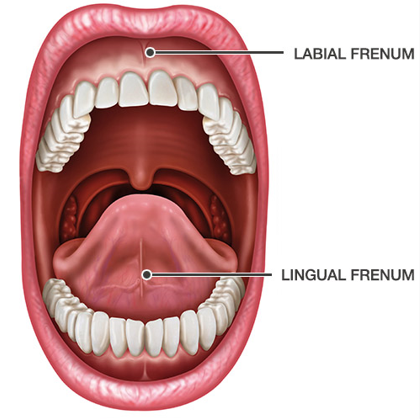
A lip tie occurs when the small band of tissue (frenum) connecting the lip or tongue is too tight or restrictive, which can affect feeding, speech, oral development, or comfort. A frenectomy is a simple, minimally invasive procedure that gently releases the tissue to improve movement and function. Treatment is quick, safe, and designed to promote better oral health and overall comfort for both children and adults.
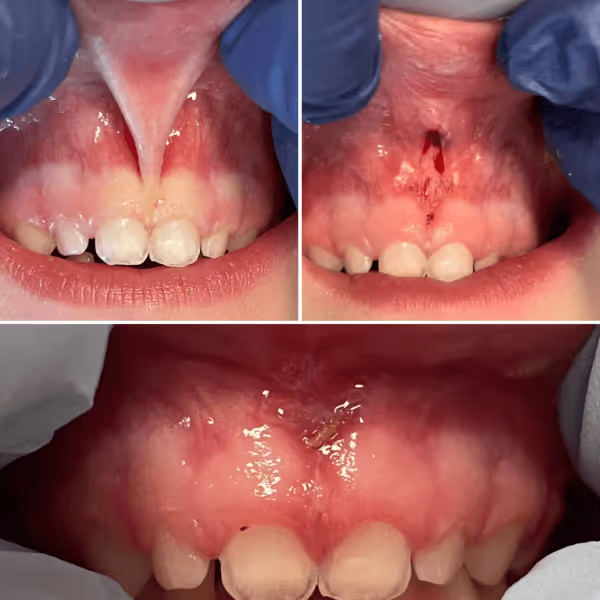
Most parents or patients are unfamiliar with the topic of frenectomies. However, a frenectomy is a procedure that is fairly common and performed on children or adults who have issues that arise as a result of conditions commonly known as lip-tie and tongue-tie.
What Is a Dental Frenectomy?
In dentistry, a frenectomy is a general term that refers to a minor surgical procedure designed to correct a lip-tie or tongue-tie (ankyloglossia). There are generally two primary types of frenectomy procedures.
Labial Frenectomy
A labial frenectomy also referred to as frenulectomy removes a frenulum membrane located between the lip and the gum tissues. Labial frenectomies are most commonly performed on the upper labial frenulum. Although lip-ties occur less commonly with the lower frenulum, labial frenectomies can also be performed on the lower labial frenulum if required.
Lingual Frenectomy
A lingual frenectomy also referred to as frenotomy removes the frenulum that connects the tongue to the floor of the mouth.
Frenectomy vs. Frenotomy: What's the Difference?
Sometimes, the term "frenectomy" is used universally. Frenectomies and frenotomies are similar procedures that treat lip-ties and tongue-ties. Technically, however, they are different. A frenectomy procedure removes the entire frenulum, and a frenotomy procedure trims the frenulum.
When Is a Labial Frenectomy Needed?
A frenectomy is usually recommended when a child or adult has an overgrown, overly thick, abnormally short, or unusually tight labial or frenulum membrane.
Lip-tie can cause:
- Speech delay and development issues
- Gaps between the front teeth
- Gum recession due to excessive tension
- Open-mouthed breathing
- Difficulty swallowing
At What Age Should a Child Have a Frenectomy?
A frenectomy can be performed at any age, even into adulthood. Most labial frenectomies are done in teen years after diagnosis, often in conjunction with orthodontics.
Frenectomy Benefits: What Is the Purpose of a Frenectomy?
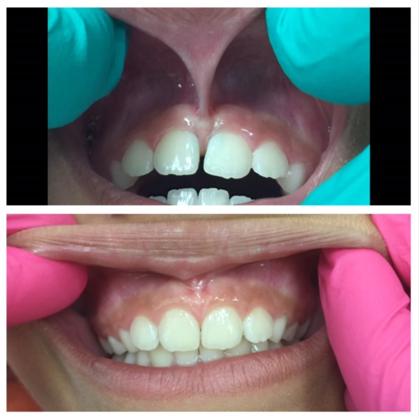
The purpose of a frenectomy is to release the frenulum to mitigate the negative effects of lip-tie, allowing for proper range of motion, function, and facial growth. Often a low labial frenulum results in gap development between two upper front incisor teeth, even after completion of orthodontics.
Are There Any Risks or Drawbacks Associated with Frenectomy Procedures?
Frenectomy procedures are simple oral surgeries. Generally, they are considered to be very safe, and usually, the benefits outweigh any potential risks.
What Is a Frenectomy Procedure?
A frenectomy is a quick and minimally invasive oral surgical procedure to remove excess tissue preventing normal function and movement of the tongue or lip. The procedure is performed in the office and a frenectomy appointment lasts about an hour, but the actual procedure only takes a few minutes. Most of the appointment is spent talking about the examination, procedure, and aftercare.
What Happens During a Frenectomy
Once the anesthetic has taken effect, we place laser safety glasses to protect their eyes. We ensure your child is gently but safely stabilized while Dr. Cohen uses a precise soft tissue laser to remove the excess tissue of the frenum. The laser we use evaporates the tissue which cauterizes while cutting resulting in very little bleeding. Since surgical lasers work quickly and precisely, the surgical removal of tissue only takes a few minutes.
Frenectomy Recovery
Recovery time after a laser frenectomy is minifmal, with children only experiencing discomfort for the first few days after the procedure. Acetaminophen or Ibuprofen is recommended every four to six hours for the first three days.
To get started, request an appointment.
Real Transformations
Frequently Asked Questions About Tongue Tie in Adults
What is tongue tie in adults?
Tongue tie is a condition where the tissue under the tongue restricts movement, leading to issues with speech, breathing, and muscle tension.
Is a frenulectomy painful?
The procedure is typically quick and minimally uncomfortable. Modern techniques are used to ensure a smooth and comfortable experience.
How long does it take to recover from a tongue tie release?
Most patients recover quickly, often returning to normal activities within a day or two, with minimal discomfort.
Can tongue tie affect sleep and breathing?
Yes, restricted tongue movement can contribute to snoring, mouth breathing, and sleep disturbances by impacting airway positioning.
Who is a candidate for a frenulectomy?
Adults experiencing symptoms such as jaw pain, speech issues, or breathing difficulties related to tongue restriction may benefit from evaluation and treatment.
Lorem ipsum dolor sit amet, consectetur adipiscing elit, sed do eiusmod tempor incididunt ut labore et dolore magna aliqua. Ut enim ad minim veniam, quis nostrud exercitation ullamco laboris nisi ut aliquip ex ea commodo consequat. Duis aute irure dolor in reprehenderit in voluptate velit esse cillum dolore eu fugiat nulla pariatur.
Schedule Your Tongue Tie Consultation in Brooklyn
If you are experiencing symptoms related to tongue tie, a personalized evaluation can help determine the best course of treatment. Dr. Shawn Cohen provides one-on-one care designed to address the root cause of your discomfort and improve your overall quality of life.
